
Sustainable Hydration: Eco-Friendly Water Delivery Solutions for Campuses
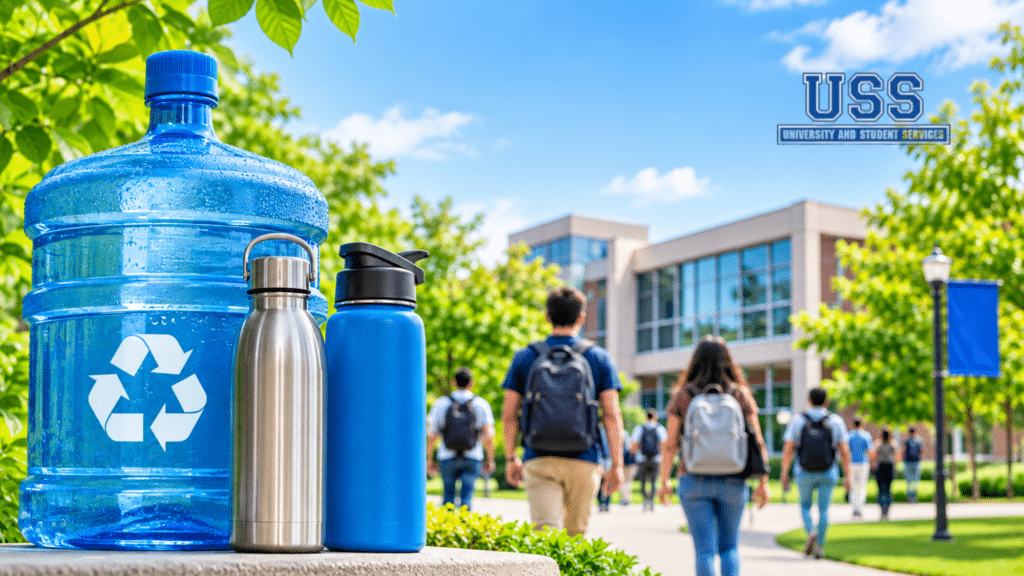
Sustainability has become an increasingly important priority for colleges and universities. As campuses work to reduce their environmental impact, institutions are looking beyond traditional recycling programs and energy-efficient buildings to identify everyday opportunities for improvement. One area with significant potential is campus hydration. Providing students, faculty, and staff with convenient access to drinking water while minimizing plastic waste and unnecessary transportation can contribute to a healthier and more environmentally responsible campus.
A well-organized water delivery service can support these sustainability goals by offering practical hydration options for residence halls, student apartments, academic buildings, and campus facilities. Through reusable containers, responsible packaging, efficient delivery schedules, and thoughtful distribution strategies, colleges can implement water delivery solutions for campuses that balance convenience, accessibility, and environmental responsibility.
Why Sustainable Water Delivery Matters for College Campuses
College campuses serve thousands of people every day. Students living in residence halls and off-campus student apartments need consistent access to drinking water, while faculty and administrative staff rely on convenient hydration options throughout the workday.
Traditional bottled water consumption can generate considerable packaging waste, particularly when single-use plastic bottles become the primary hydration option. Without convenient alternatives, students may purchase individual bottles regularly, increasing the amount of plastic packaging that must be collected, recycled, or discarded.
Sustainable hydration programs offer a more responsible approach. By incorporating bulk water delivery, refillable containers, and accessible drinking water options, educational institutions can reduce their dependence on single-use packaging.
An environmentally conscious water delivery service can help campuses:
- Reduce reliance on individually packaged plastic water bottles.
- Encourage reusable water bottles and refillable containers.
- Improve access to drinking water in student housing.
- Support institutional waste-reduction initiatives.
- Streamline water distribution across multiple campus locations.
- Promote environmentally responsible habits among students and staff.
These improvements can make hydration programs an important part of a university’s broader sustainability strategy.
1. Bulk Water Delivery Helps Reduce Single-Use Plastic Waste
One of the most practical ways campuses can make hydration more sustainable is by choosing bulk water delivery instead of relying exclusively on individual bottled water purchases.
Bulk water containers allow students and staff to access drinking water without requiring a separate plastic bottle for every serving. Depending on the delivery provider and container program, larger water containers may also be collected, sanitized, refilled, and returned for continued use.
This approach can significantly reduce the number of disposable containers associated with everyday hydration.
For example, student apartment communities can establish designated water distribution areas where residents access larger water containers through convenient dispensers. Residence hall managers can coordinate scheduled deliveries to ensure that students have consistent access to drinking water without making frequent individual purchases.
When evaluating a water delivery service, colleges should consider providers that offer reusable container programs, responsible packaging practices, and clear procedures for collecting and handling returned containers.
The goal is to make sustainable hydration convenient enough that students naturally incorporate it into their daily routines.
2. Water Delivery Solutions for Campuses Should Prioritize Student Convenience
Sustainability programs are more successful when they are easy to use. Students have busy schedules involving classes, extracurricular activities, studying, and social commitments. Requiring them to travel long distances or carry heavy water containers can discourage participation in campus hydration programs.
Effective water delivery solutions for campuses should account for the everyday needs of students and the physical layout of campus housing.
For student apartments and residence halls, convenient delivery arrangements can make a meaningful difference. Scheduled deliveries directly to designated residential locations help ensure that water supplies remain available without requiring students to visit off-campus retailers.
Campus administrators can also coordinate delivery locations based on building occupancy, student population, and consumption patterns.
Convenience-focused delivery programs may include:
- Scheduled water deliveries to student housing facilities.
- Centralized distribution areas within residential communities.
- Convenient access to water dispensers.
- Consistent delivery schedules during academic semesters.
- Flexible arrangements for buildings with different occupancy levels.
By making drinking water readily accessible, universities can encourage healthier hydration habits while reducing unnecessary individual shopping trips.
3. Reusable Water Containers Support Campus Sustainability Goals
Reusable containers are another important component of environmentally responsible hydration.
Many students already carry reusable water bottles to classes, libraries, fitness centers, and other campus facilities. Providing reliable access to bulk drinking water makes these habits easier to maintain.
Rather than purchasing disposable bottled water throughout the week, students can refill their personal containers using designated dispensers or approved hydration stations.
Universities can strengthen these initiatives by incorporating reusable water bottle programs into student orientation activities and sustainability campaigns.
For example, institutions can provide incoming students with reusable bottles and explain where they can access drinking water throughout campus. Student housing communities can also promote refillable containers as part of their environmental awareness initiatives.
A dependable water delivery service complements these programs by maintaining an adequate supply of drinking water for residential buildings and shared facilities.
When reusable containers are combined with convenient water access, campuses can create a practical alternative to everyday single-use plastic consumption.
4. Efficient Delivery Scheduling Can Reduce Transportation Impact
Sustainable hydration involves more than choosing environmentally responsible packaging. Transportation and distribution practices also influence the environmental footprint of a water delivery program.
Frequent, partially loaded delivery trips can increase fuel consumption and transportation-related emissions. For colleges with multiple residence halls and student apartment communities, coordinating deliveries can improve distribution efficiency.
Campus administrators can work with water delivery providers to establish predictable schedules based on actual consumption and building requirements.
For example, a university may coordinate deliveries to several nearby residence halls during the same service visit rather than arranging separate trips for individual buildings.
Other useful strategies include:
- Combining deliveries to nearby campus facilities.
- Establishing recurring delivery schedules.
- Monitoring water consumption to avoid unnecessary deliveries.
- Planning distribution routes efficiently.
- Adjusting delivery frequency during academic breaks and seasonal occupancy changes.
These practices help reduce unnecessary transportation while maintaining reliable access to drinking water.
An experienced delivery provider can help institutions develop distribution arrangements that account for campus size, building locations, and changing student populations.
5. Supporting Sustainable Hydration in Student Apartments
Student apartments present unique hydration challenges. Unlike traditional residence halls, apartment-style housing often includes individual kitchens, shared living spaces, and varying occupancy arrangements.
Residents may need drinking water for cooking, preparing beverages, filling reusable bottles, and everyday household activities.
A reliable water delivery service provides an alternative to repeatedly purchasing and transporting heavy bottled water packages from grocery stores.
For student apartment communities, bulk water delivery can offer several advantages:
Greater convenience: Residents can access drinking water without making frequent shopping trips or carrying heavy packages.
Reduced packaging waste: Reusable water containers can help decrease the number of individual plastic bottles entering the waste stream.
Reliable availability: Recurring deliveries help apartment communities maintain adequate water supplies.
Simplified residential management: Property managers can coordinate deliveries for designated buildings or shared distribution areas.
These benefits are particularly valuable for large student housing communities where convenient access to everyday essentials contributes to the overall residential experience.
Universities and student housing operators can work with delivery providers to create arrangements that meet the needs of individual residents while supporting broader environmental objectives.
6. Technology and Consumption Monitoring Improve Water Distribution
Modern campus operations increasingly rely on data to improve efficiency, manage resources, and control operating costs. Hydration programs can benefit from the same approach.
Monitoring water consumption helps institutions understand how much drinking water different buildings require and when additional supplies are needed.
For example, a residence hall with several hundred students will generally have different hydration requirements from a smaller apartment building. Tracking delivery volumes and usage patterns allows administrators to plan more accurately.
Consumption monitoring can also help prevent overordering, unnecessary storage, and avoidable delivery trips.
Useful information to monitor includes:
- Water consumption by building or residential community.
- Average delivery frequency.
- Container usage and return rates.
- Seasonal changes in demand.
- Inventory levels at distribution locations.
When this information is used effectively, institutions can establish more efficient water delivery solutions for campuses while maintaining consistent service.
Technology-supported distribution also creates opportunities for campus housing managers to identify operational improvements and evaluate the effectiveness of sustainability initiatives.
7. Choosing the Right Water Delivery Partner for Your Campus
Selecting a dependable delivery provider is essential to maintaining a successful campus hydration program.
Universities should evaluate providers based on service reliability, distribution capabilities, container options, and their ability to accommodate the unique requirements of educational communities.
A suitable provider should understand that campus hydration needs change throughout the academic year. Student move-in periods, semester schedules, summer occupancy, and university events can all influence water consumption.
When comparing providers, institutions should consider the following factors:
Flexible delivery arrangements: Look for a provider that can accommodate recurring schedules and changing campus requirements.
Reusable container options: Ask whether the provider offers refillable containers and collection programs that help reduce packaging waste.
Consistent service: Reliable deliveries are important for maintaining access to drinking water in student housing and other designated facilities.
Scalable distribution: The provider should be able to support multiple buildings and accommodate changes in campus population.
Transparent service policies: Understand delivery fees, container deposits, collection procedures, and service requirements before establishing an agreement.
The right partnership can simplify campus water distribution while helping institutions maintain practical and environmentally responsible hydration programs.
8. Building a Campus Culture Around Responsible Hydration
Sustainable infrastructure is most effective when supported by an informed and engaged campus community.
Students, faculty, and staff all play a role in reducing unnecessary waste. Universities can encourage participation by making sustainability initiatives visible and connecting everyday decisions with larger environmental objectives.
Campus-wide hydration campaigns can promote reusable water bottles, responsible container disposal, and participation in refill programs.
Student organizations and environmental clubs can also help communicate the benefits of sustainable hydration through orientation sessions, campus events, newsletters, and social media.
Housing administrators can reinforce these messages by providing information about available water delivery services and explaining how students can access drinking water responsibly.
These initiatives help transform sustainable hydration from an individual convenience into a shared campus responsibility.
Conclusion: Making Campus Hydration More Sustainable and Convenient
Sustainable hydration is a practical opportunity for colleges and universities to improve everyday campus operations while supporting environmental responsibility.
By reducing dependence on single-use plastic bottles, introducing reusable containers, coordinating efficient delivery schedules, and improving access to drinking water in student housing, institutions can establish hydration programs that serve their communities more effectively.
The right water delivery service makes these efforts easier to implement by providing dependable access to drinking water for residence halls, student apartments, and other campus facilities.
At University and Student Services (USS), we understand the importance of providing convenient essential services that support college students and residential communities. Through practical water delivery options, we help student housing communities address everyday hydration needs while creating opportunities for more responsible resource management.
Whether your institution manages a large residential campus or multiple student apartment communities, investing in reliable water delivery solutions for campuses can help create a more convenient, student-friendly, and sustainability-conscious living environment.
Make sustainable hydration part of a better campus living experience with convenient water delivery solutions from University and Student Services.