
Storage Options During University Move-In: What You Need to Know
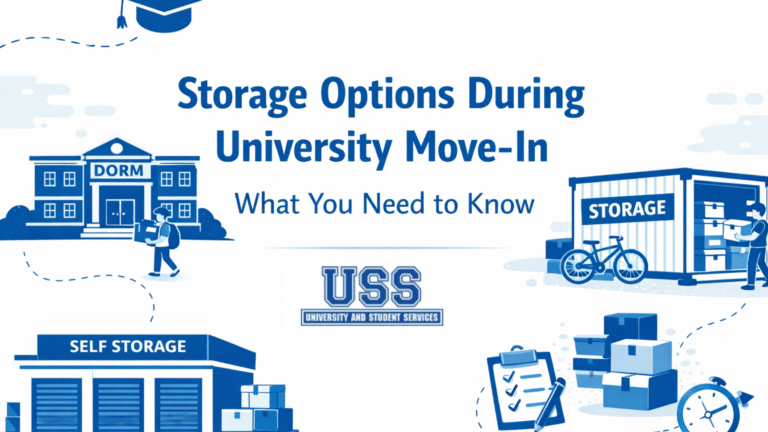
When moving into university, students often face space constraints and logistical challenges. Exploring storage options like on-campus storage, off-campus self-storage, and portable storage units can simplify move-in, keep belongings safe, and reduce stress. Choosing the right solution depends on cost, convenience, and accessibility.
During university move-in, students can choose from on-campus storage, off-campus self-storage facilities, or portable storage units. Each option offers varying levels of convenience, security, and cost. Planning ahead ensures a smooth transition and protects belongings throughout the semester.
Why Storage Planning Matters During University Move-In
University move-in often coincides with tight schedules, limited dorm space, and high student traffic. Proper storage planning helps students:
- Avoid overcrowding dorm rooms.
- Protect personal belongings from theft or damage.
- Save time during move-in and move-out.
- Streamline semester transitions, especially for students in shared housing.
Pro Tip: Students moving long distances or attending schools with limited dorm space should consider pre-booking storage units to ensure availability.
Types of Storage Options
1. On-Campus Storage
Features:
- Located within or near dormitories.
- Offers short-term options during breaks or summer.
- Often integrated with student services for easy access.
Pros:
- Convenient and easily accessible.
- May include 24/7 security.
- Sometimes offered at discounted rates for students.
Cons:
- Limited space and availability.
- May require early reservation.
- Usually more expensive for long-term storage.
Ideal for: Students who need quick access and short-term solutions.
2. Off-Campus Self-Storage Facilities
Features:
- Available in various sizes, from lockers to large units.
- Accessible during facility hours.
- Typically climate-controlled for sensitive items like electronics or artwork.
Pros:
- Flexible rental terms (monthly, semester, or year-long).
- Enhanced security features such as cameras and access codes.
- Multiple unit sizes to accommodate different storage needs.
Cons:
- Requires transportation to and from campus.
- Not always convenient for frequent access.
- Additional cost for insurance may be required.
Ideal for: Students living off-campus or those with bulky items like furniture or sports equipment.
3. Portable Storage Units
Features:
- Delivered to campus or residence.
- Students can load items at their convenience.
- Unit is then stored at a secure location or returned to the student.
Pros:
- Flexible and easy for on-demand use.
- Reduces the need for personal transportation.
- Good for seasonal storage between semesters.
Cons:
- Limited immediate access while unit is off-site.
- Costs may vary depending on delivery and storage duration.
Ideal for: Students with large loads or limited transportation options.
Comparison of Storage Options
Storage Type | Cost Range | Accessibility | Security Level | Ideal Use Case |
On-Campus Storage | $$-$$$ | High | Medium | Short-term, easy access |
Off-Campus Storage | $-$$$ | Medium | High | Long-term, large items, flexible terms |
Portable Storage Units | $$-$$$ | Medium | High | Seasonal storage, transport convenience |
Insight: Students often combine multiple storage solutions for maximum flexibility—for instance, keeping essentials in dorms and offloading bulky items to off-campus storage.
Tips for Maximizing Storage Efficiency
- Inventory First: Make a list of essential and non-essential items to avoid overpaying for unnecessary storage.
- Use Containers: Stackable bins, vacuum-sealed bags, and labeled boxes save space and simplify retrieval.
- Secure Valuables: Electronics, important documents, and jewelry should always be stored in secure, climate-controlled units.
- Plan Ahead: Booking storage units before move-in can reduce stress and ensure availability, especially during peak move-in weeks.
- Optimize Access: For off-campus units, store frequently used items near the front for quick retrieval.
Additional Considerations
- Seasonal Storage: Some students may need storage during summer break; inquire about summer discounts or semester packages.
- Insurance Options: Verify if your student insurance or storage provider covers theft or damage.
- Campus Regulations: Some universities restrict large items in dorm rooms—check before bringing furniture.
- Eco-Friendly Options: Consider reusable containers or storage providers that offer sustainable practices.
University Services & Support
Many universities partner with local storage providers and student services to facilitate move-in:
- Move-In Assistance: Some schools provide carts or volunteer helpers for students to transport belongings.
- Storage Recommendations: University websites often list vetted storage providers.
- Student Discounts: Check for discounted rates with local storage companies.
For more information on on-campus storage solutions and move-in support, contact us.
Frequently Asked Questions (FAQ)
How much does student storage typically cost?Costs vary from $50 to $300 per month depending on size, location, and duration.
Can I store electronics in student storage units?
Yes, but climate-controlled units are recommended to prevent heat or moisture damage.
Is on-campus storage available year-round?
Availability depends on the university; most offer storage during semester breaks.
Are portable storage units safe for dorm move-in?
Yes, they are secure, especially if the provider uses lockable, tamper-resistant containers.
How far in advance should I book storage for move-in?
Ideally, 1-2 months before move-in to secure availability and best pricing.